Cultural Concepts
Aesthetics, philosophy, and worldview behind Japanese culture.
70 NOTES
Begin with the concepts most likely to unlock the rest of the site.
-
Tsukimi — the moon-viewing custom that marks the centre of autumn
On a clear night in mid-September, a small wooden tray is placed on the engawa of a traditional house. On the tray sit fifteen small white rice dumplings stacked into a pyramid, beside a vase of…
-
Shamisen — the three-string instrument that holds Japan’s outsider music
In a small room above a restaurant in a Japanese castle town, an old woman sits with a long-necked instrument across her lap. She strikes a single string with a thick wooden plectrum. The note that…
-
salaryman
A man in his early forties walks out of a Tokyo subway station at 8:15 a.m. He’s wearing a charcoal-gray suit, a white shirt, a navy tie. His shoes are polished. His briefcase is leather, modestly…

-
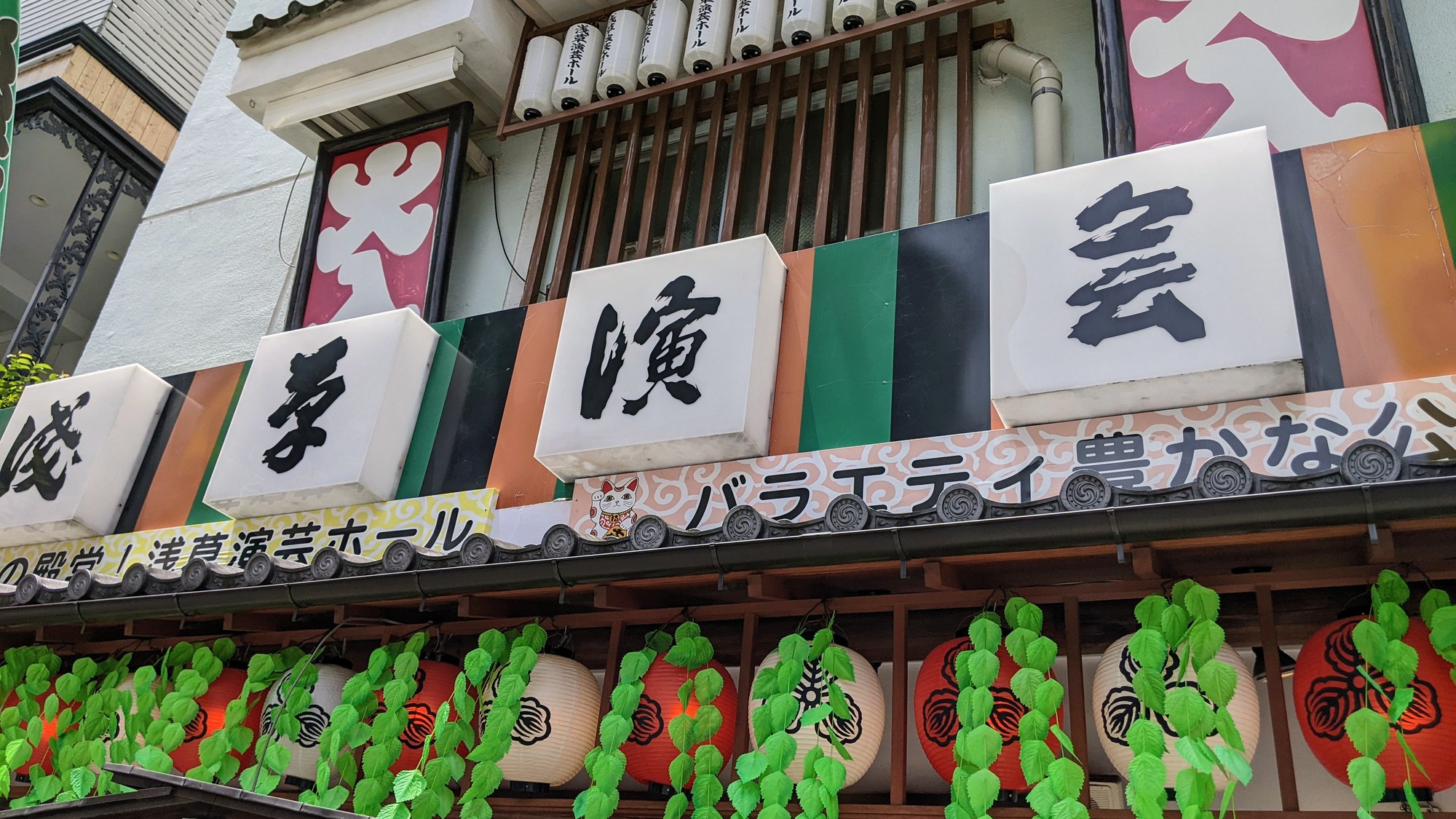
rakugo
The performer enters the small stage and sits down on a cushion. Behind him, a traditional Japanese folding screen; in front of him, a small wooden table with a folded fan and a hand towel. He…
-
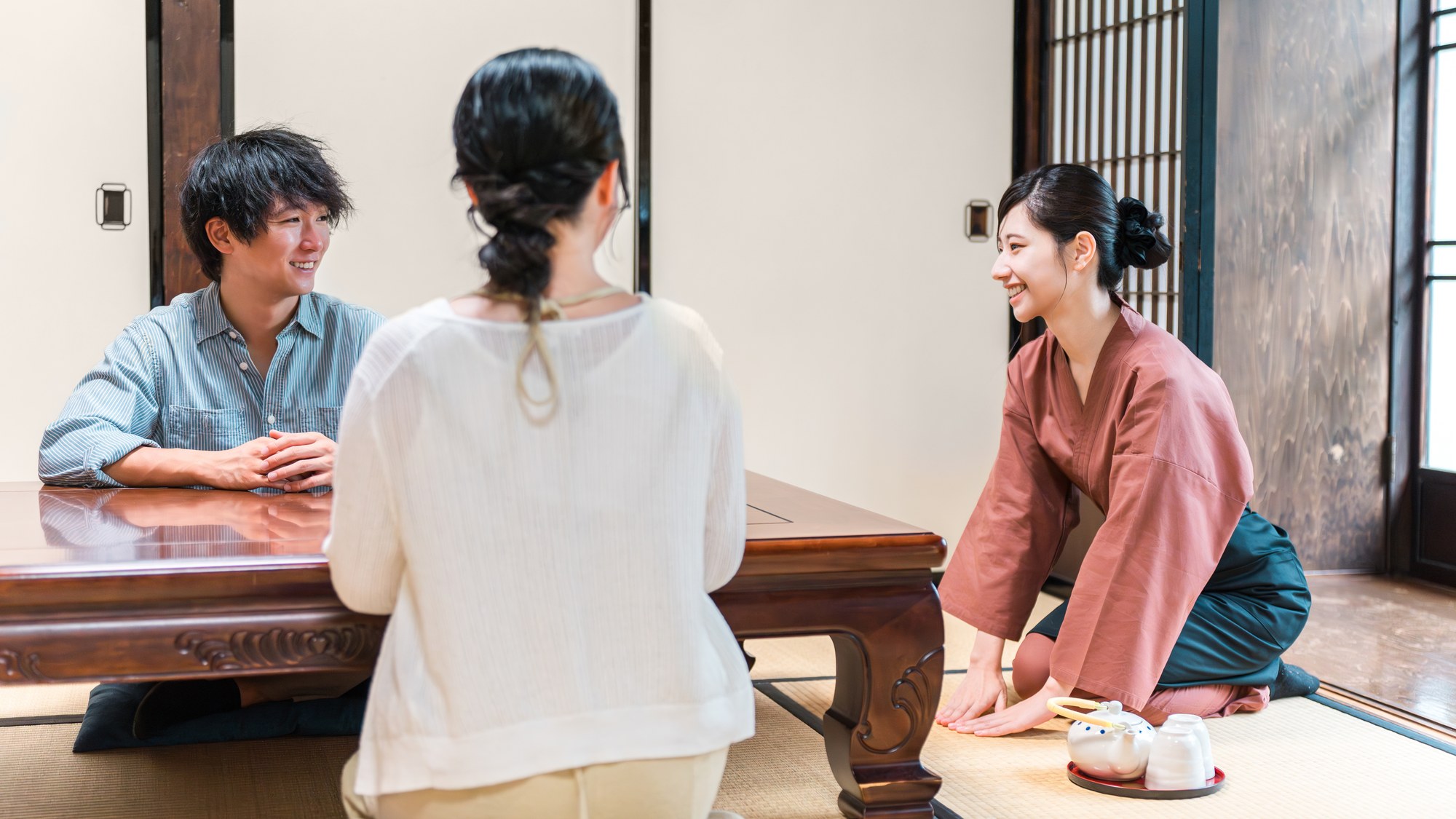
omotenashi
If you have read anything about Japan in English, you have probably read that omotenashi means “Japanese hospitality.” The word arrived in international vocabulary somewhere around the 2013 Tokyo Olympics bid, when a presenter pronounced its…
-
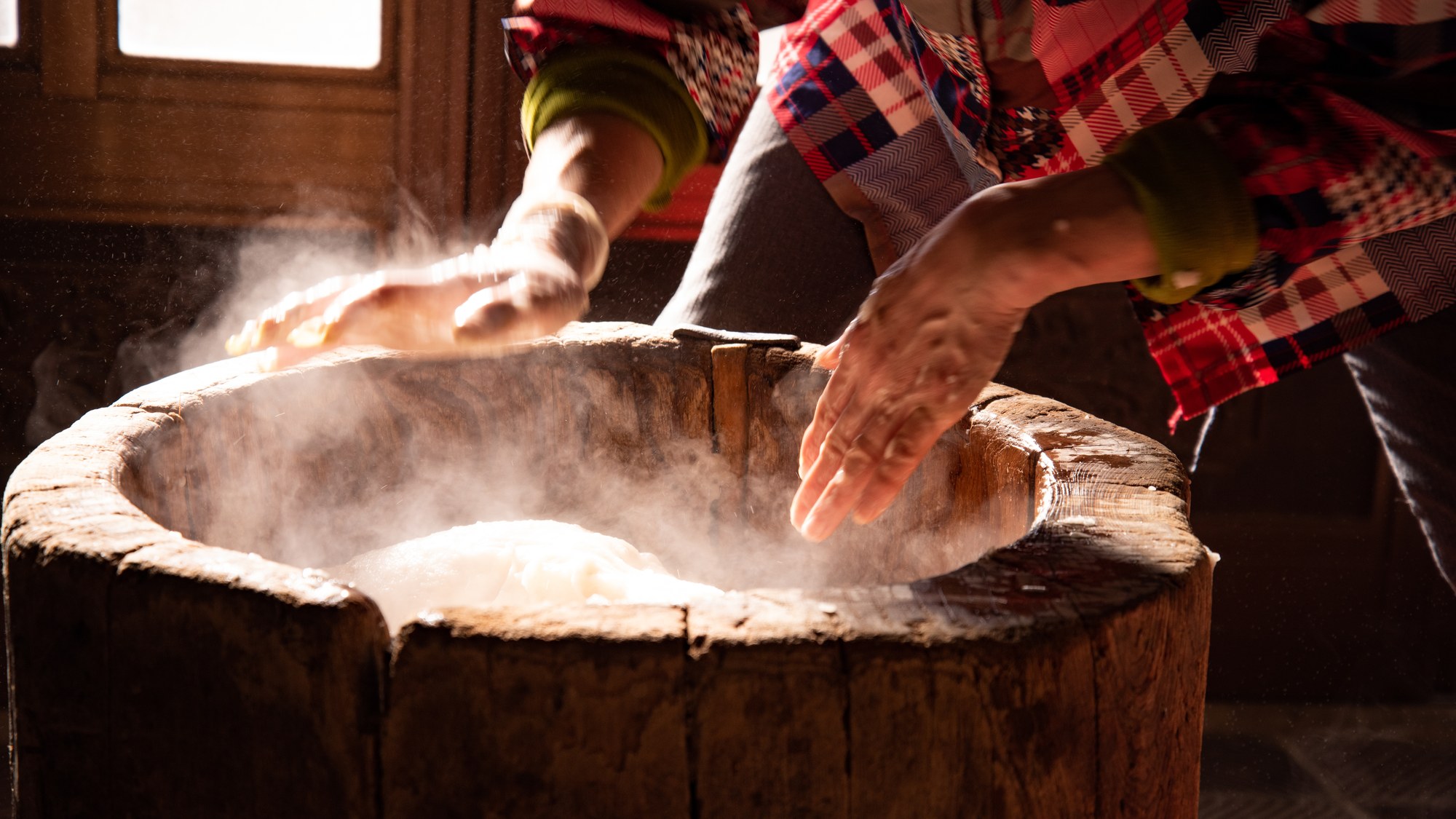
mochitsuki
It’s late December in a small Japanese town. In the courtyard of a community center, a wooden mortar — about the size of a cement-mixer — sits in the open air. A pile of steamed glutinous…
-
koinobori
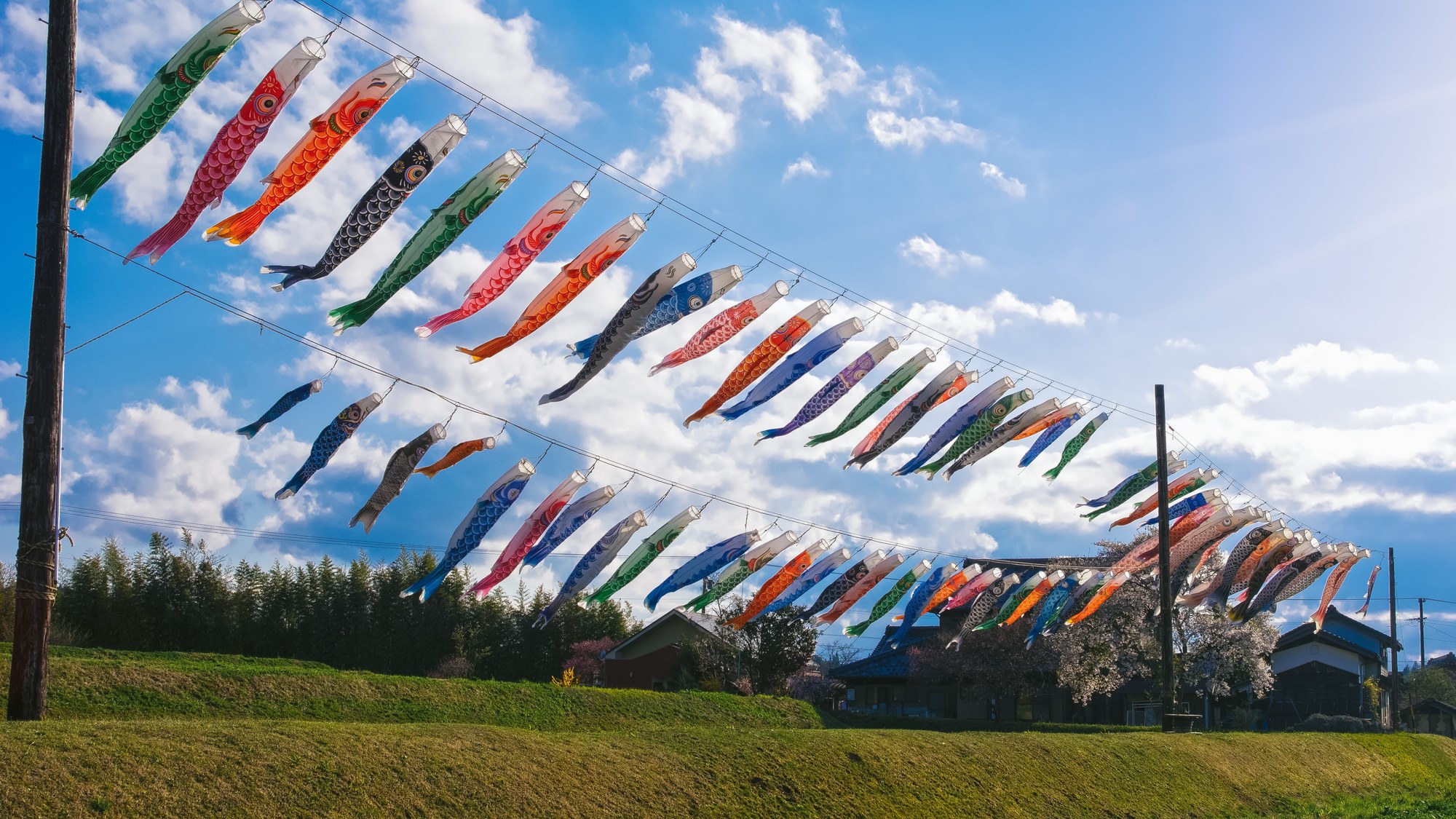
Late April to early May in a Japanese neighborhood. Outside houses, schools, and apartment buildings — strung from poles, balconies, or stretched across the river of a small town — large carp-shaped streamers wave in the…
-
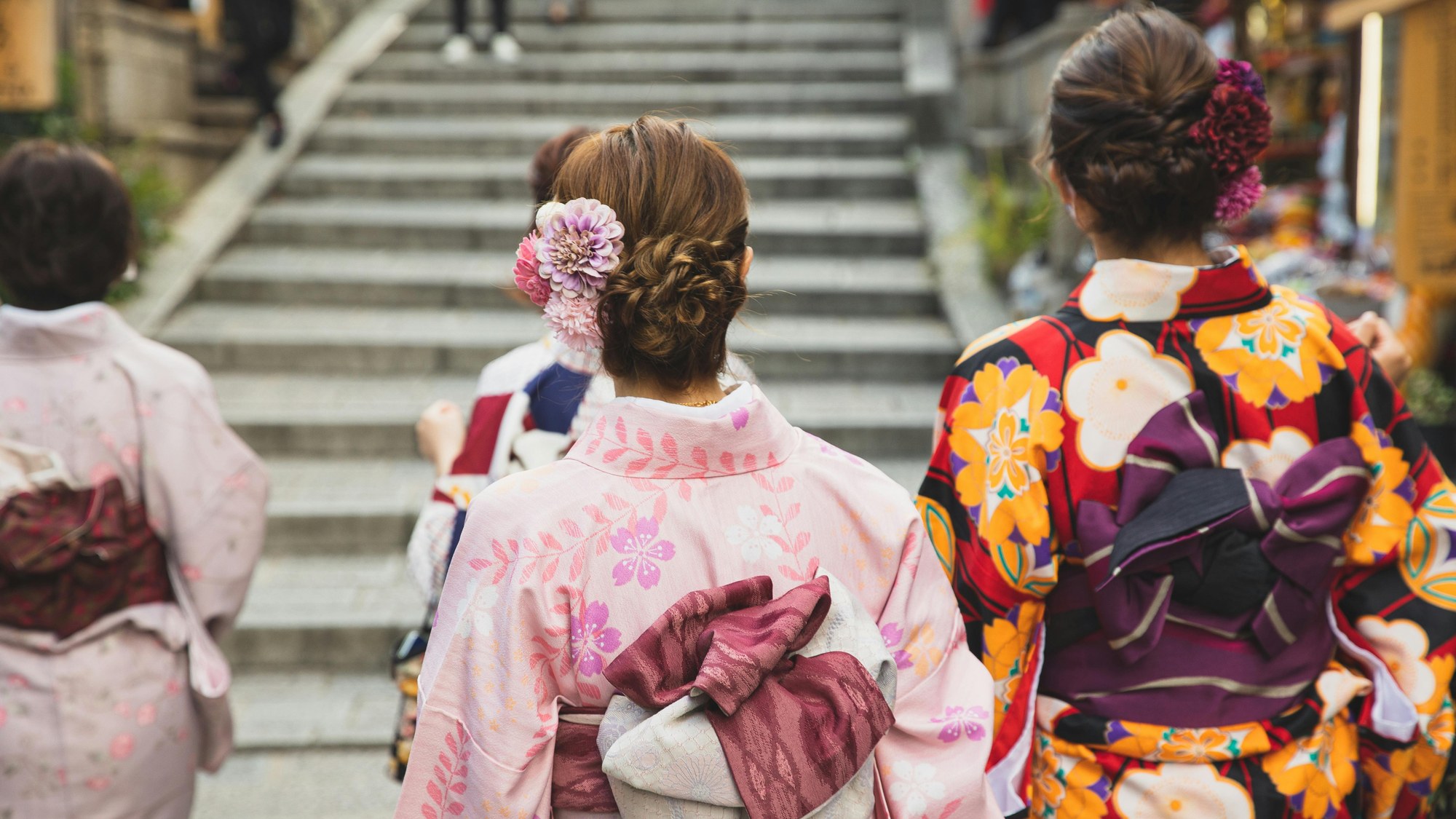
Kimono Types: A Dozen Garments, A Coded System
You attend a Japanese wedding. Across the room, the bride’s mother is wearing a kimono — formal, dark, with elaborate embroidery only along the hem and lower body. A few seats over, an aunt of the…
-
karesansui
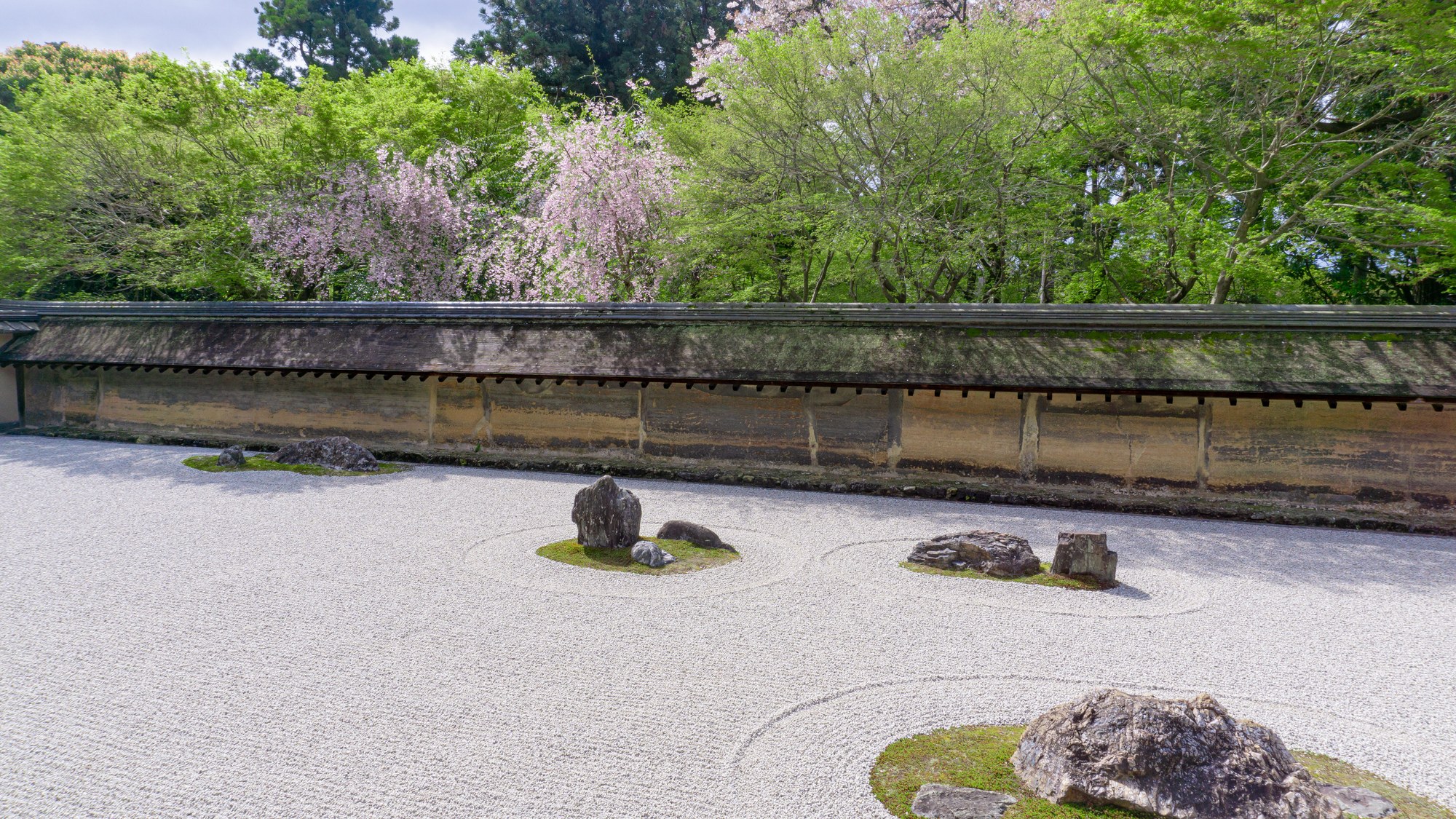
You walk through the entry of Ryoan-ji temple in northwest Kyoto. The walkway leads to a simple wooden veranda overlooking a rectangular space. Inside that space: white gravel, raked into careful parallel lines, with fifteen stones…
-
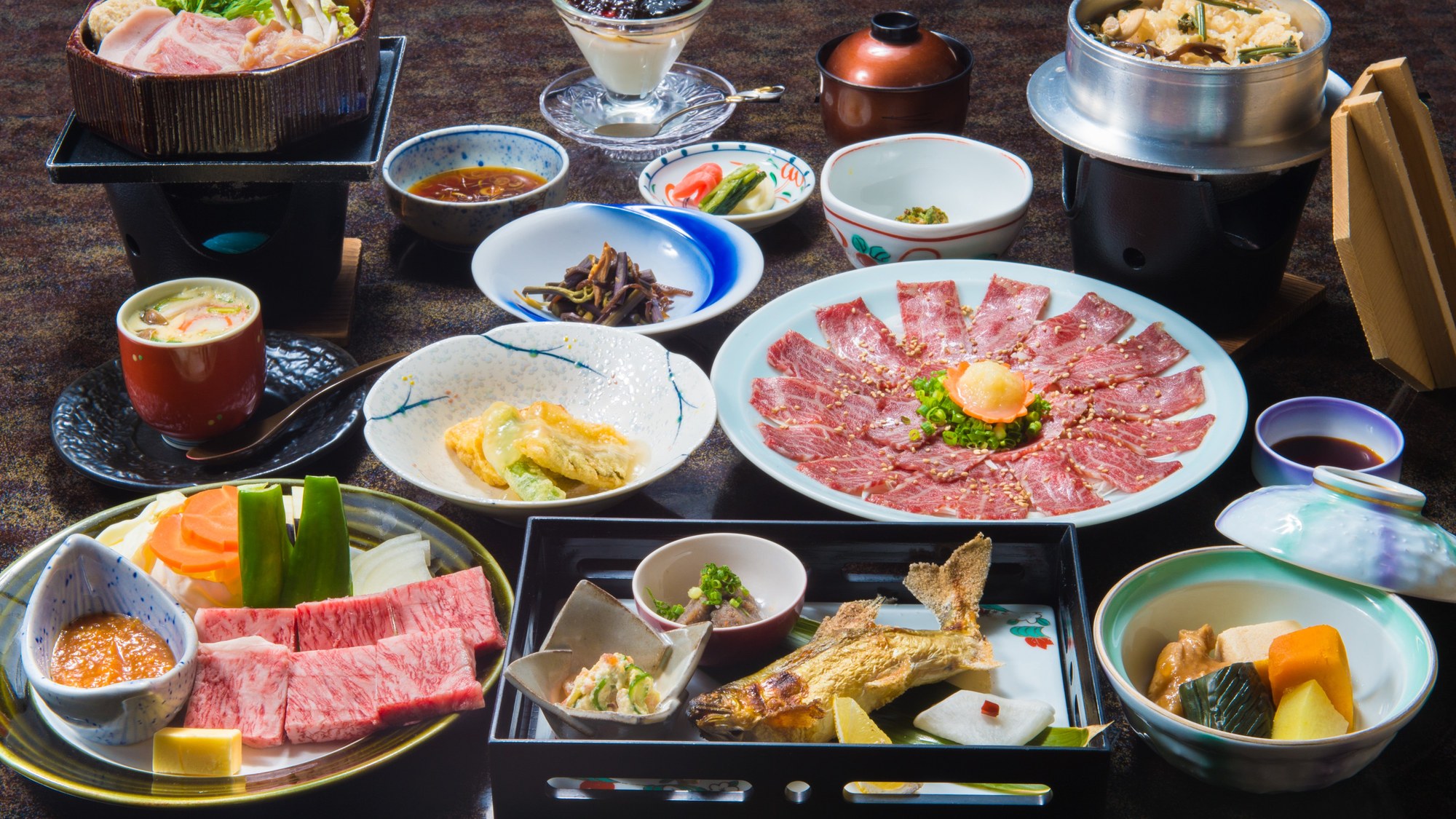
kaiseki
You’re seated at a low wooden table in a small private room at a traditional Kyoto restaurant. The room smells faintly of cedar; a hanging scroll on the wall references the current season; a small ceramic…