Short essays on the small, unwritten codes of Japanese daily life — the words, gestures, and quiet protocols that hide in plain sight.
Latest
106 NOTES
Start here
-
Hanami — the picnic that organizes a culture’s spring
For about ten days each spring, large parts of Japan reorganize themselves around looking at trees. Office workers send the most junior employee to a park at dawn to spread a blue tarp and hold a…
-
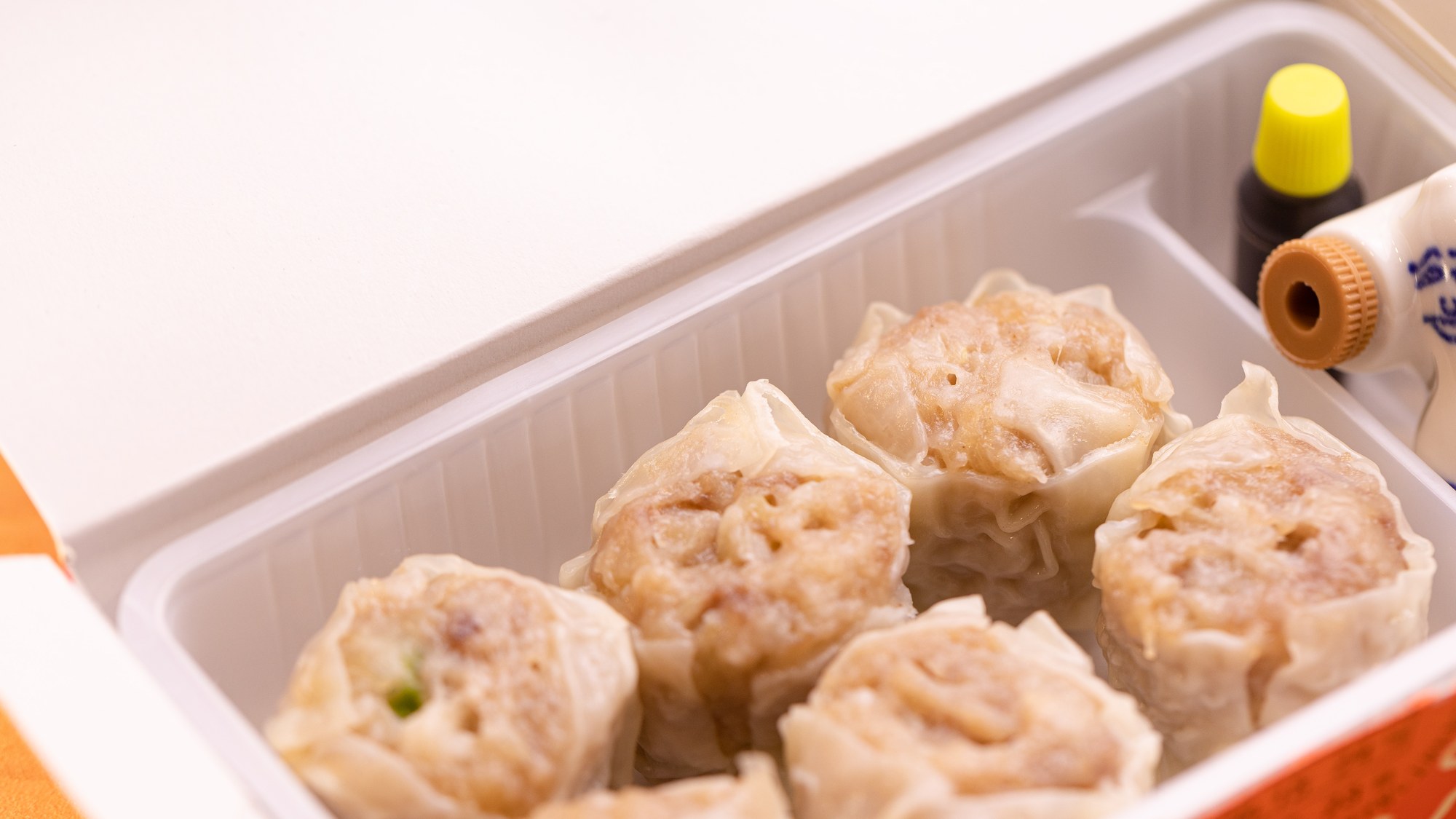
ekiben
You’re at Tokyo Station at 7:45 a.m., heading north to Sendai on the shinkansen. The train leaves in fifteen minutes. Inside the station’s concourse, you stop at a small shop crowded with travelers buying small wrapped…
-
Chotto — the small Japanese word that does most of the social work
You watch a conversation in a Japanese office. A junior employee asks the manager whether the team can start the new project on Monday. The manager tilts her head slightly, draws breath in through her teeth,…
-
Baka — the word that ranges from playful tease to serious insult
You hear it in the schoolyard, you hear it in anime, and if you spend enough time around Japanese people you’ll eventually hear it directed at a friend with a laugh — and then, maybe once,…
-
Amae — the Japanese word for assuming you’ll be indulged
A child curls into a parent’s lap on a train, eyes closed, fully limp, knowing without thinking that the parent will adjust their own posture to absorb the weight. A junior employee turns to a senior…
-
47-ronin
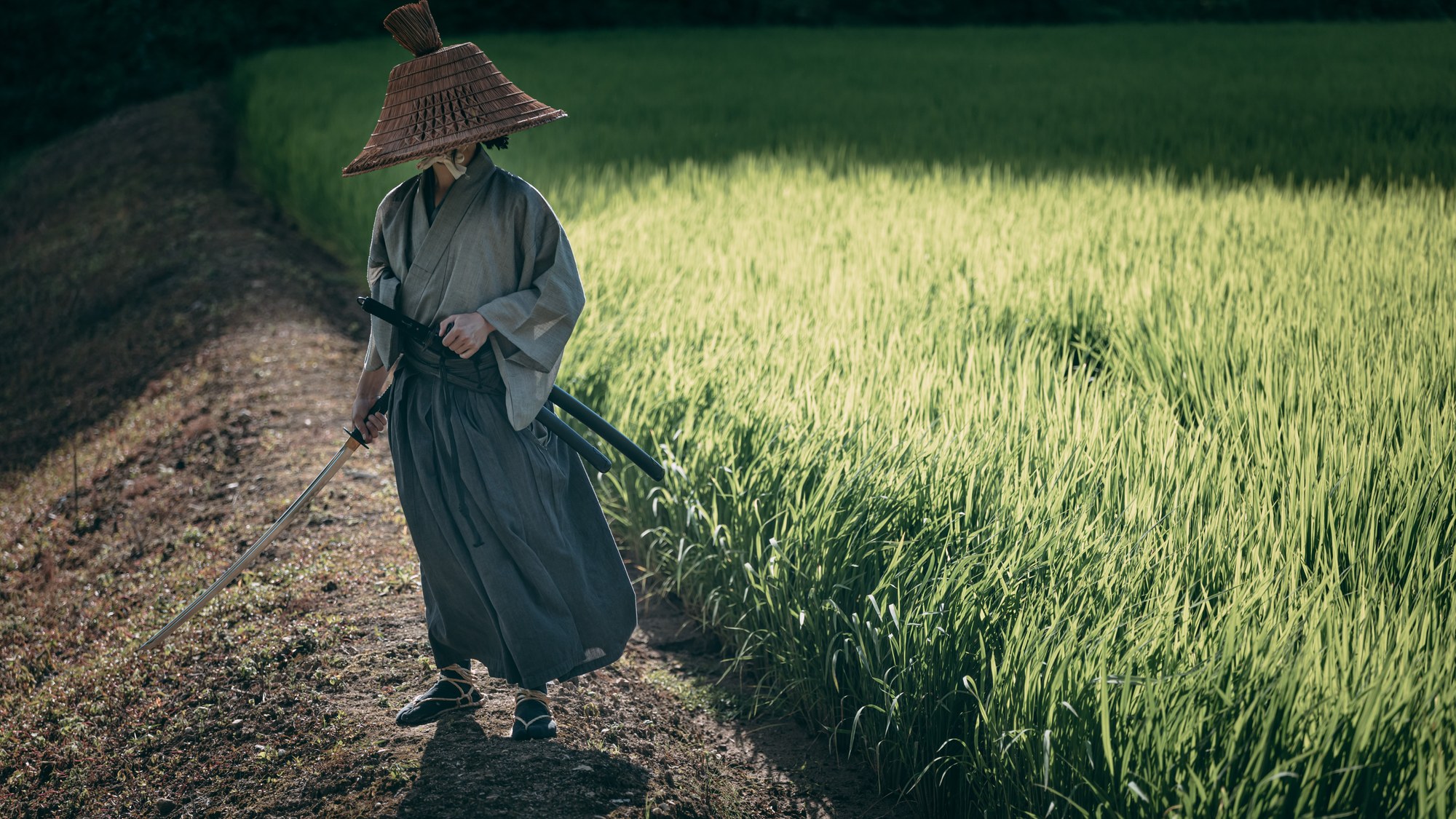
On a snowy December morning in 1703, in Edo (modern Tokyo), forty-seven men in samurai armor attacked the residence of a high-ranking official named Kira Yoshinaka. The attack had been planned for nearly two years. The…
-
Chibi: The Anime-Derived Style for Small and Cute
You’re scrolling through anime art on a Japanese fan website. Most of the images are standard: characters drawn at normal proportions in detailed backgrounds. But scattered among them are illustrations in a different style — the…
-
Tokonoma: The Alcove That Organizes the Japanese Room
You step into a traditional Japanese room. The space is mostly bare — tatami floor, sliding paper doors, low ceiling. But against one wall, the floor rises slightly, and the wall recedes into a small alcove…
-
Amaterasu: The Sun Goddess at the Heart of Japanese Mythology
You arrive at Ise Jingu, in Mie Prefecture — the most sacred shrine in the Shinto tradition. The path winds through old-growth forest, past stone-lined streams, beneath enormous cedar trees that have stood for centuries. The…